
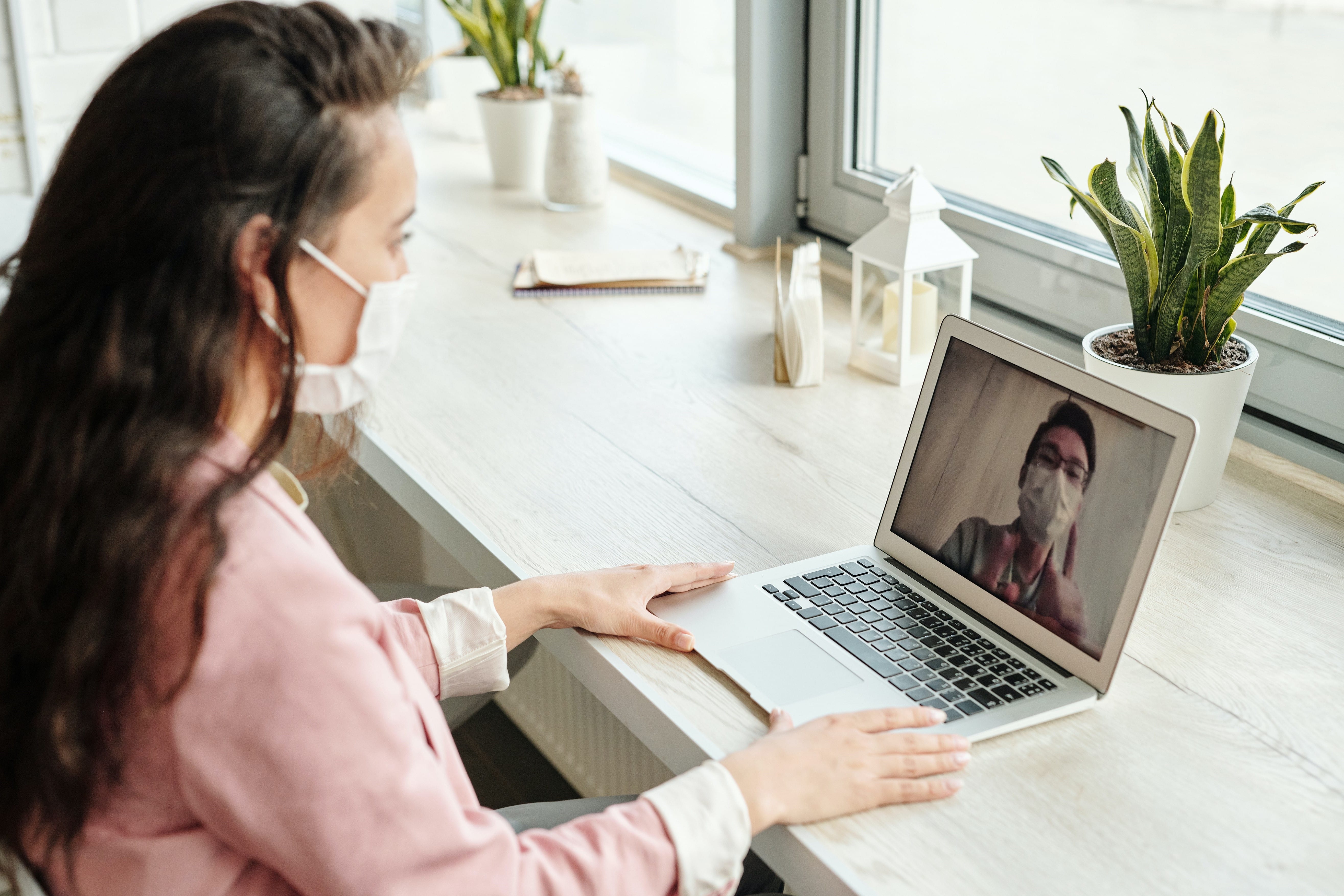
COVID-19 hit the world hard, which caused myriad restrictions and lockdowns all around the world. Many people shifted to a work-from-home environment; and with the increased isolation and consistent negative news, stress levels were high and poor mental health was rampant. The culmination of these factors, as well as many more, has led to a lot of people gaining weight in 2020.
As a qualified nutritionist who runs a weight loss company, I personally noticed that a lot of new clients were coming to me for help, after a few months of struggling with weight gain during lockdown. In Melbourne, Australia, we had some of the strictest lockdown laws in the world, which left people stuck at home all day, isolated and unable to see their friends or family. This led to a lot of people emotionally eating, and thus, gaining weight.
At first, these findings were just my own personal observations and had no scientific data to back them up.
However, a recent global study, published in the Journal of Obesity, backs up what I had experienced firsthand throughout 2020. This study found that the 2020 coronavirus pandemic and subsequent lockdowns negatively impacted society's health behaviours. In summary, many people ate more junk food, exercised less, had increased anxiety levels and got less sleep. This led to 27% of people reporting to have gained weight after lockdown measures came into effect. Researchers also found that those who were already classified as 'obese' suffered the most, with 33% of this group of people reporting to have gained weight.
What Were The Primary Reasons For Weight Gain?
I personally found that since most people were working from home throughout lockdown, it became so easy to grab a snack. Since the pantry and fridge are often only a few metres away from where people work at home, the temptation to eat food was stronger than ever.
Additionally, unlike at the office, there?s often no one around your house to judge you if you?re continually grabbing unhealthy snacks. Basically, it?s almost like there?s much less accountability!
Once again, my own observations were consistent with the research, which found that on average, people were eating an increased amount of junk food during periods of lockdown.
Why Could This Lead To Problems In The Future?
One of the big problems with all this snacking is that it creates habits. And if you?re getting into the habit of continuously eating unhealthy snacks throughout the day, then it?s likely to continue in the long term, even when COVID-19 becomes a thing of the past.
However, in saying this, I found that for many of my clients, things were gradually improving as lockdown measures wore on, since:
a) They were getting used to the more isolated way of life and learning how to adapt; and
b) Many of them were purchasing gym equipment and building themselves at-home gyms that they could use to keep fit and workout
Interestingly, the same study I mentioned earlier also found that about 17% of the population actually lost weight during the pandemic; and this weight loss was primarily attributed to people who made a conscious effort to improve their diet and increase their physical activity level.
What Techniques Can You Use To Reverse This Quarantine Weight Gain?
For those of my existing clients who were struggling with quarantine weight gain and those new clients who came to me looking for help, I typically suggested a mixture of the following things to help them lose weight (or simply stop gaining weight):
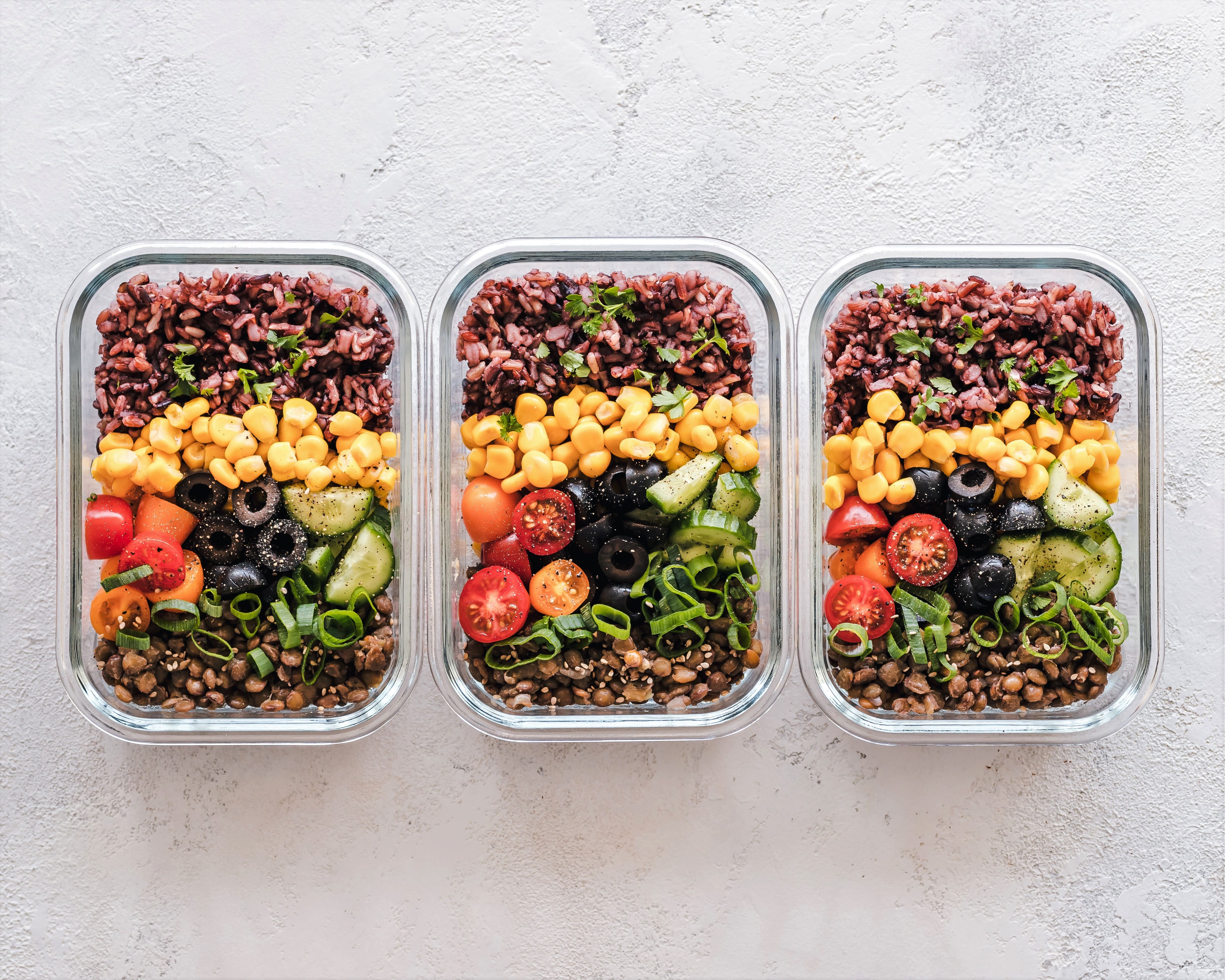
Prepare healthy snacks in advance
Sometimes, when spending a lot of extra time at home and stress eating, snacking is inevitable. I?ve found that trying to stop/ reduce snacking is often ineffective for most people. So instead, preparing healthy snacks in advance can be a great way to stop weight gain. When you open the fridge or pantry, you often reach for whatever is easiest, and often, this is the unhealthy options. If you spend an hour or so on Sundays preparing some healthy grab-and-go snacks for the week ahead, you?re much more likely to eat something healthy the next time you?re looking for a snack.
An example of some healthy snack options could be bliss balls, or chopped up carrots and hummus.
Remove 80% of the unhealthy food items from your house
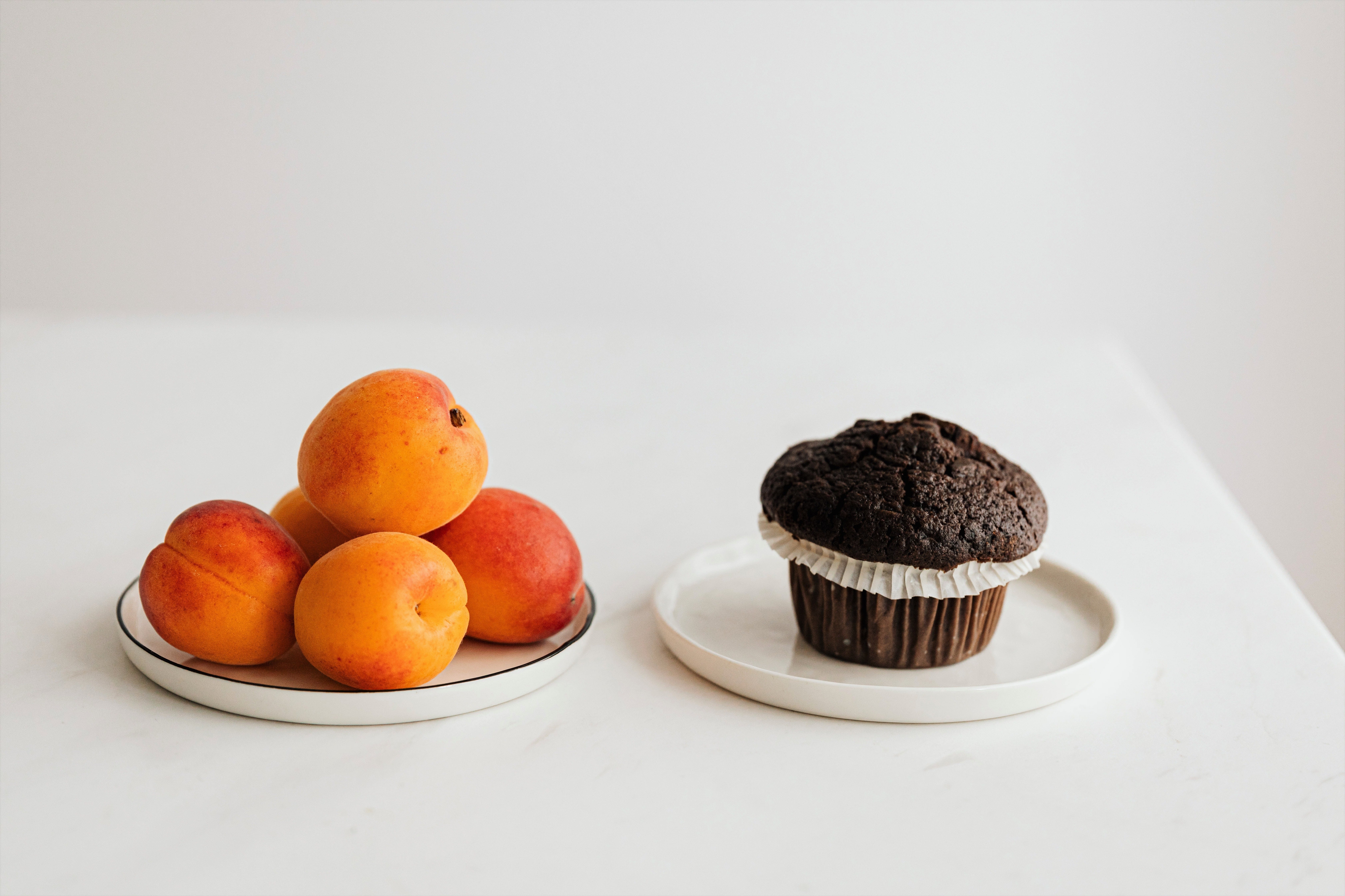
This tip ties in with the first one. If you have healthy snacks prepared, and yet you still find yourself frequently opting for unhealthy snacks, then you need to remove the temptation altogether. So I?d recommend doing a pantry cleanse, and getting rid of unhealthy food and snack options. By removing the option, it almost forces you to eat the healthy snack options that you have pre-prepared.
However, I?m someone who strongly believes in an 80/20 balance, where you can eat unhealthier foods 20% of the time. I?ve found that for most people, such a balance is vital for sustainable, long term weight loss, because too heavily restricting your diet can often lead to adverse results. Thus, you shouldn?t throw all of the unhealthy food in your household out; you can keep your favourite 20% of foods in the cupboard/fridge.
Improve your mindset and take responsibility
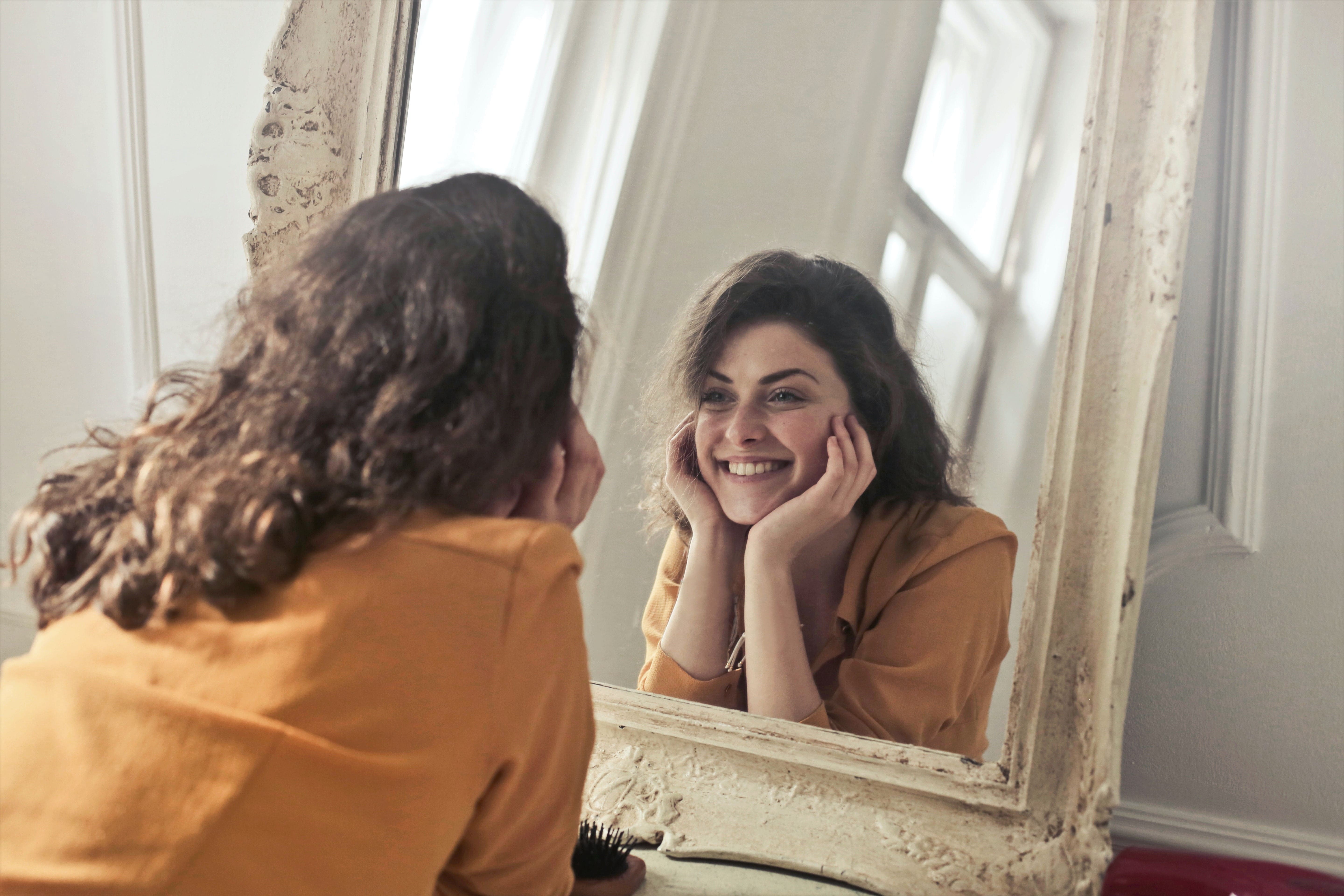
One of the key problems that I found, is that many people didn?t hold themselves accountable for their own weight gain in 2020. Instead, they blamed lockdown measures, the government and the coronavirus for the numbers on their scales going up.
And whilst that may seem logical, I believe that this kind of mindset isn?t going to do you any favours when you?re trying to lose that weight. So one of the things I strongly work on with my clients is to improve their mindset and take control of their own situation. One of the great ways to shift to a more optimistic mindset is to regularly practice gratitude.
Increase your protein intake
Increasing your protein intake has numerous benefits, but the most relevant benefit to this post is that it makes you feel more full for longer periods of time. This means that you?re less likely to constantly be snacking throughout the day; which, as I previously mentioned, has been a big reason why many people have put on weight during lockdown. Increasing your protein intake can also help you to build more lean muscle mass in your body, and the more lean muscle mass we have in our bodies, the more calories we will burn throughout the day. Thus, ultimately helping us to lose weight, or avoid gaining more weight.
To increase your protein intake, I recommend ensuring that you have some source of protein with each main meal you have. This source of protein can come in the form of something like protein powder, nut butter, flaxseed, chia seeds, hemp seeds, Greek yoghurt, tofu, lean meat etc. You could also make healthy protein balls to snack on throughout the day.

Keep a food diary
Often, when lounging around at home during lockdown, or working from home, people don?t realise how much food they?re actually consuming. Keeping a food diary for a couple of days and recording EVERYTHING that you put into your mouth can be extremely eye-opening. And when I say everything, I mean everything... all the coffees (and the extra sugar you put in those coffees), when you lick the spoon or taste test something you?re cooking, the sneaky cookies you grab between meetings, the extra handful of nuts with breakfast etc.
I?ve found that when I get my clients to physically write down every little thing they eat in a day, they?re often extremely surprised about the amount of food they?re consuming. You could be consuming an extra 500 calories a day without even knowing it! And obviously, if left unchecked, all this extra food intake has the potential to lead to weight gain.

Final Thoughts
The above 5 tips are what I?ve found to work best to reverse quarantine weight gain. However, everyone's is different, which means that not all methods will work for you. If you're looking to lose some weight, be sure to test out a variety of different techniques in order to find out what works best for you.
And if lockdown measures have got you feeling stressed at all, be sure to check out my guide that covers 5 methods that you can use to de-stress.